
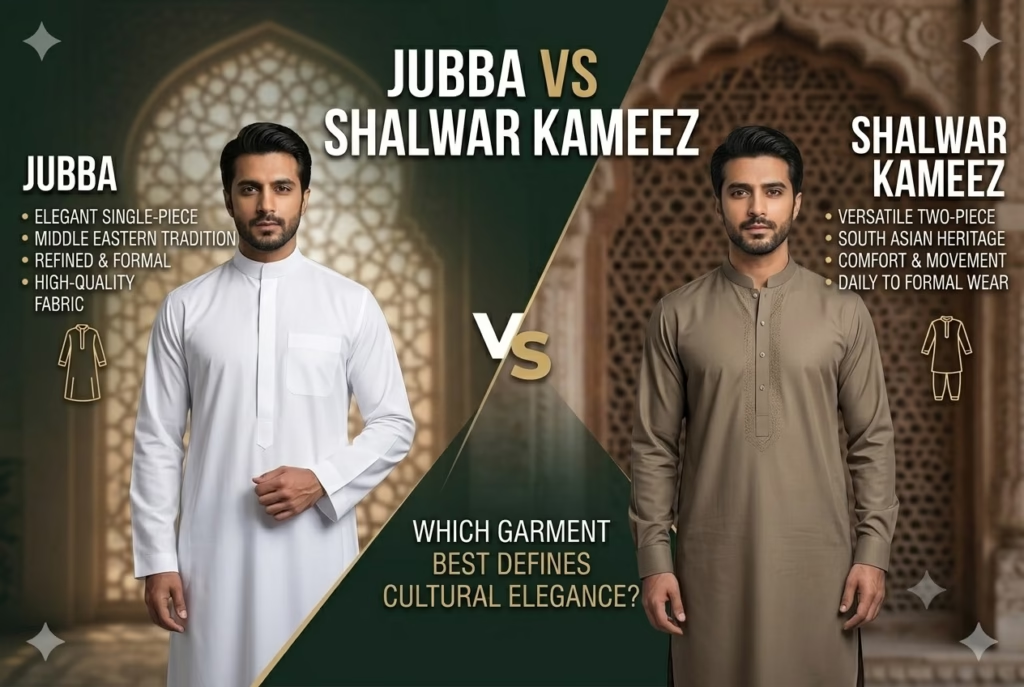
Traditional menswear has always reflected more than fashion—it represents culture, identity, craftsmanship, and personal values. Across South Asia and the Middle East, two garments have remained timeless symbols of elegance and modesty: the Jubba and the Shalwar Kameez.
Although both are widely respected for their comfort and heritage, they were created for different lifestyles and occasions. One is deeply connected with religious and ceremonial traditions, while the other has become one of the most versatile forms of men’s clothing in South Asia.
At Yahya G, we believe understanding these differences helps every gentleman build a wardrobe that balances tradition with modern sophistication.
This guide compares the Jubba and Shalwar Kameez, exploring their origins, design, comfort, styling, and ideal occasions so you can choose the garment that best reflects your personality and needs.
Understanding the Jubba
The Jubba, sometimes spelled Jubbah or Jubah, is a long, flowing garment traditionally worn throughout the Middle East and many Muslim communities around the world.
Its loose silhouette and modest design have made it a preferred choice for centuries, particularly in regions with warm climates.
Typical features include:
- Full-length robe design
- Loose and comfortable fit
- Long sleeves
- Upright or simple neckline
- Minimal tailoring
- Lightweight construction
Traditionally, the Jubba has been associated with religious gatherings, Friday prayers, Islamic scholars, and formal spiritual occasions. Today, modern versions are also available with refined tailoring, premium fabrics, and subtle embroidery while preserving their traditional character.
Understanding the Shalwar Kameez
The Shalwar Kameez is the national dress of Pakistan and one of the most recognizable forms of traditional clothing throughout South Asia.
Unlike the single-piece Jubba, it consists of two garments:
- Kameez – a long tailored shirt
- Shalwar – loose-fitting trousers designed for comfort and ease of movement
This combination offers remarkable flexibility.
Depending on the fabric, cut, and accessories, a Shalwar Kameez can be worn for:
- Everyday wear
- Business meetings
- Weddings
- Eid celebrations
- Family gatherings
- Formal dinners
Its versatility has made it a wardrobe essential for generations.
Jubba vs Shalwar Kameez: Quick Comparison
| Feature | Jubba | Shalwar Kameez |
| Design | One-piece robe | Two-piece outfit |
| Origin | Middle East | South Asia |
| Formality | Religious & Traditional | Casual to Formal |
| Everyday Wear | Moderate | Excellent |
| Weddings | Good | Excellent |
| Office Wear | Limited | Excellent |
| Custom Styling | Moderate | Extensive |
| Layering Options | Limited | Waistcoat, Shawl, Prince Coat |
Origins and Cultural Heritage
Both garments have rich histories but emerged from different regions.
Jubba
The Jubba originated in the Arabian Peninsula and gradually spread across the Middle East, North Africa, and parts of Asia.
Historically, it became associated with scholars, religious leaders, and formal Islamic attire, emphasizing modesty, dignity, and simplicity.
Shalwar Kameez
The Shalwar Kameez traces its roots to Central and South Asia before becoming deeply embedded in the cultural identity of Pakistan. Over centuries, it evolved from practical daily clothing into a sophisticated garment suitable for every occasion, from professional settings to grand wedding celebrations.
Design Differences
The most noticeable distinction lies in their construction.
Jubba
The Jubba is designed as a single flowing garment.
Its relaxed silhouette allows unrestricted movement and excellent airflow, making it particularly comfortable in warmer climates.
Its minimalist design reflects simplicity and elegance.
Shalwar Kameez
The Shalwar Kameez provides significantly greater flexibility.
Because the shirt and trousers are separate pieces, clients can personalize:
- Shirt length
- Sleeve style
- Collar design
- Trouser cut
- Buttons
- Embroidery
- Fabric combinations
This adaptability has contributed greatly to its enduring popularity.
Which Outfit Is More Comfortable?
Comfort depends largely on the intended use.
The Jubba’s loose construction naturally promotes ventilation and unrestricted movement, making it an excellent choice for prayer and extended periods of wear.
The Shalwar Kameez offers similar comfort while adding greater practicality. The adjustable shalwar, combined with a tailored kameez, provides excellent mobility for work, travel, and daily activities without sacrificing elegance.
Fabric Choices
Fabric selection dramatically influences the appearance and comfort of both garments.
Popular Jubba Fabrics
- Cotton
- Linen
- Cotton blends
- Lightweight woven fabrics
These materials maximize breathability in hot climates.
Popular Shalwar Kameez Fabrics
- Premium cotton
- Wash-and-wear blends
- Linen
- Tropical fabrics
- Boski
- Jamawar
- Silk blends
At Yahya G, every fabric is carefully selected to suit Karachi’s climate while maintaining exceptional comfort and durability.
Which Outfit Is Better for Weddings?
For weddings, the Shalwar Kameez offers significantly more styling possibilities.
A premium custom Shalwar Kameez can be elevated with:
- Embroidered waistcoats
- Prince coats
- Shawls
- Luxury footwear
- Pocket squares
This versatility allows the outfit to reflect both tradition and personal style. The Jubba remains appropriate for religious ceremonies and modest celebrations but generally offers fewer opportunities for formal customization.
Styling Flexibility
Modern gentlemen increasingly value clothing that adapts to multiple occasions.
This is where the Shalwar Kameez excels.
A single custom garment can transition effortlessly between:
- Office meetings
- Friday prayers
- Eid celebrations
- Family functions
- Weddings
- Evening dinners
By simply changing accessories or adding a tailored waistcoat, the same outfit creates an entirely new appearance.
Why Custom Tailoring Makes the Difference
Whether choosing a Jubba or a Shalwar Kameez, craftsmanship determines the final result.
At Yahya G, every custom garment is individually tailored to achieve:
- Perfect shoulder alignment
- Comfortable collar fit
- Balanced proportions
- Superior drape
- Premium finishing
- Long-lasting comfort
The difference between ready-made clothing and bespoke tailoring becomes immediately noticeable in both appearance and confidence.
The Yahya G Difference
At Yahya G, we combine over three decades of tailoring expertise with contemporary craftsmanship to create garments that honour tradition while meeting modern expectations.
Every custom Shalwar Kameez includes:
- Personal style consultation
- Premium fabric selection
- Accurate body measurements
- Collar customization
- Sleeve and cuff options
- Hand-finished detailing
- Final fitting and quality inspection
Every garment is crafted to deliver timeless elegance, exceptional comfort, and an impeccable fit.
Frequently Asked Questions
What is the main difference between a Jubba and a Shalwar Kameez?
A Jubba is a single-piece robe traditionally associated with the Middle East, while a Shalwar Kameez is a two-piece outfit consisting of a long shirt and matching trousers.
Which outfit is better for weddings?
A custom Shalwar Kameez generally offers greater versatility for weddings because it can be styled with waistcoats, prince coats, shawls, and premium accessories.
Is a Jubba suitable for everyday wear?
Yes. Many people wear Jubbas for daily use, particularly in Middle Eastern countries and during religious occasions.
Which garment is more comfortable?
Both are comfortable when properly tailored. The Jubba offers maximum airflow, while the Shalwar Kameez provides greater flexibility for everyday movement and professional settings.
Can I customize my Shalwar Kameez? Absolutely. At Yahya G, clients can personalize fabrics, collars, cuffs, buttons, embroidery, cuts, and finishing details to create a garment that reflects their individual style.
Final Thoughts
The choice between a Jubba and a Shalwar Kameez isn’t about deciding which garment is better—it’s about selecting the right attire for the right occasion.
The Jubba embodies simplicity, modesty, and spiritual tradition, making it an excellent choice for religious gatherings and formal cultural occasions.
The Shalwar Kameez stands out for its versatility, allowing gentlemen to transition effortlessly from everyday wear to weddings and formal celebrations with timeless elegance.
Many wardrobes include both garments because each serves a unique purpose.
At Yahya G, we specialize in creating premium custom Shalwar Kameez that combine traditional craftsmanship with contemporary tailoring. Whether you’re preparing for Eid, a wedding, a business event, or simply investing in timeless Eastern wear, our bespoke tailoring ensures every garment reflects your personality with exceptional comfort and precision.Visit Yahya G at Shop #237, 2nd Floor, Dolmen Center, Tariq Road, Karachi, or contact us on WhatsApp at 0312 525 4264 to schedule your personalized tailoring consultation today.