
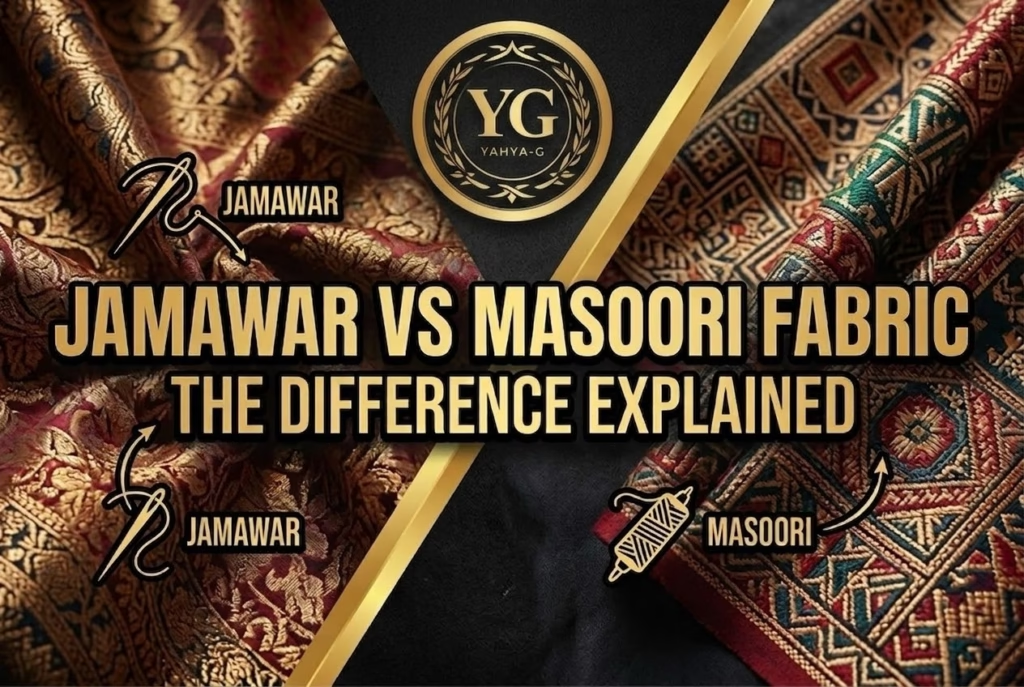
Some fabrics are valued simply for their appearance. Others carry centuries of craftsmanship, cultural identity, and textile heritage within every thread.
Jamawar and Masori belong to the latter category.
Both fabrics have deep roots in South Asian textile traditions, yet they represent two very different approaches to luxury. Jamawar is celebrated for its elaborate woven patterns, rich colours, substantial texture, and regal character. Masori, by contrast, is associated with exceptional fineness, lightness, softness, and breathability.
Understanding the difference between these two fabrics is important when selecting material for traditional clothing, luxury garments, or heritage-inspired pieces.
At Yahya G, we believe that exceptional tailoring begins with exceptional fabric. The material determines how a garment feels, falls, holds its shape, and ultimately presents itself. In this guide, we’ll explore the heritage, characteristics, weaving techniques, applications, and modern relevance of Jamawar and Masori fabrics.
What Is Jamawar Fabric?
Jamawar, also spelled Jamavar, is a richly patterned textile historically associated with Kashmir and the wider tradition of South Asian luxury weaving.
The fabric became particularly prominent during the Mughal era, when elaborate textiles were highly valued by royalty, nobles, and wealthy patrons.
One of Jamawar’s defining characteristics is that its decorative patterns are incorporated directly into the weave rather than simply being added to the surface afterward.
Traditional motifs commonly include:
- Floral patterns
- Leaves and vines
- Geometric elements
- Persian-inspired designs
- Mughal-inspired motifs
The result is a fabric with remarkable visual depth and an unmistakably luxurious appearance.
What Is Masori Fabric?
Masori represents an entirely different expression of textile craftsmanship.
Traditionally associated with the exceptionally fine muslin traditions of Dhaka, Masori is valued for its delicate construction, lightweight feel, softness, and breathability.
Historically, extremely fine muslin fabrics from the region became renowned for their exceptional quality and delicacy, earning comparisons to something almost weightless.
Unlike Jamawar, where elaborate pattern and colour are central to the fabric’s identity, Masori’s beauty lies primarily in the quality and fineness of its weave. Its lightweight character makes it particularly suited to warm climates and elegant, flowing garments.
Jamawar vs Masori: The Key Differences
| Feature | Jamawar | Masori |
| Overall Character | Rich & Ornate | Light & Refined |
| Main Attraction | Woven Patterns | Fine Weave |
| Weight | Substantial | Lightweight |
| Texture | Smooth & Dense | Fine & Delicate |
| Appearance | Rich & Decorative | Subtle & Elegant |
| Climate | Particularly suited to cooler weather | Excellent for warm climates |
| Best Known For | Shawls & Luxury Traditional Wear | Lightweight Traditional Garments |
| Visual Effect | Regal & Dramatic | Airy & Sophisticated |
The difference is ultimately one of character.
Jamawar makes a statement through pattern, colour, and texture. Masori makes a statement through fineness, delicacy, and understated elegance.
The Heritage Behind Jamawar
Jamawar’s history is closely connected with Kashmir’s celebrated weaving tradition.
For generations, highly skilled artisans developed techniques that allowed intricate motifs to become part of the fabric itself.
The complexity of the designs required considerable patience and expertise. Traditional weaving could take weeks or even months depending on the size and intricacy of the textile.
This craftsmanship gave Jamawar its reputation as a luxury fabric worthy of royal wardrobes and heirloom collections.
Its appeal was never simply about fashion. A finely woven Jamawar represented craftsmanship, status, artistry, and cultural heritage.
The Extraordinary Fineness of Masori
Masori represents another kind of textile achievement.
Where Jamawar demonstrates what a skilled weaver can create through complex pattern and colour, Masori demonstrates how fine and delicate a woven fabric can become.
The production of exceptionally fine fabric requires careful preparation and spinning of the yarn, followed by precise weaving.
The delicate yarn requires considerable skill because it can be more challenging to handle during production.
The finished material is remarkably lightweight and soft, creating a distinctive sensation against the skin. This quality made fine muslin textiles highly desirable historically and continues to inspire contemporary interpretations of lightweight traditional fabrics.
How Jamawar and Masori Are Made
The production methods of the two fabrics reflect their different identities.
Jamawar Weaving
Jamawar traditionally relies on intricate weaving techniques to create its elaborate patterns.
Skilled artisans work with detailed design instructions and carefully control the placement of coloured threads throughout the weaving process.
The result is a dense textile in which the pattern and fabric become one.
This integrated design is one of the reasons authentic Jamawar has such a distinctive appearance.
Masori Weaving
Masori relies on exceptionally fine yarn and careful weaving.
The challenge lies not primarily in creating elaborate patterns but in handling the delicate fibres consistently enough to produce a fine, closely woven textile. The resulting material is lightweight, smooth, and breathable.
Jamawar: Rich, Regal and Textured
Jamawar is instantly recognizable for its visual richness.
Its characteristic qualities include:
Elaborate Patterns
Traditional floral and botanical motifs give the fabric its unmistakable personality.
Rich Colour
Deep, carefully coordinated colours contribute to its luxurious appearance.
Substantial Feel
Compared with lightweight fabrics, Jamawar has greater body and structure.
Elegant Drape
Its weight allows it to fall beautifully while retaining a sophisticated presence.
Heritage Appeal Few fabrics communicate traditional South Asian luxury as strongly as a finely crafted Jamawar textile.
Masori: Light, Soft and Refined
Masori takes a completely different approach to elegance.
Its defining characteristics include:
Lightweight Construction
The fabric feels exceptionally light compared with heavier traditional textiles.
Breathability
Its airy construction makes it particularly attractive for warmer climates.
Soft Texture
Fine yarn creates a smooth and delicate feel.
Subtle Appearance
Masori’s appeal is understated rather than dramatic.
Elegant Drape
Its lightweight nature allows it to move naturally and gracefully. For someone who prefers quiet luxury rather than bold ornamentation, this character can be particularly appealing.
Which Fabric Is Better for Different Climates?
Climate should always be considered when choosing a traditional fabric.
For colder weather or garments requiring greater structure, Jamawar can be an excellent choice because of its substantial construction.
For warm weather, Masori is naturally more suited to lightweight dressing because of its breathable and delicate character.
In a climate such as Karachi’s, fabric selection becomes particularly important. A beautiful fabric is only truly successful when the wearer can remain comfortable in it.
Jamawar and Masori in Traditional Menswear
Both fabrics have applications within traditional South Asian clothing, but their characteristics make them suitable for different purposes.
Jamawar
Its rich appearance makes it particularly suitable for:
- Shawls
- Stoles
- Waistcoats
- Formal traditional garments
- Statement pieces
- Luxury ceremonial clothing
It can also be used as an accent fabric, where a small amount of Jamawar introduces richness without overwhelming an outfit.
Masori
Its lightweight character makes it appropriate for:
- Lightweight traditional garments
- Summer clothing
- Elegant layering
- Flowing silhouettes
- Warm-weather formalwear
The choice depends on whether the desired result is dramatic and luxurious or light and understated.
How to Style Jamawar
Jamawar naturally becomes the focal point of an outfit.
Because the fabric already contains intricate visual detail, the rest of the outfit should generally be more restrained.
For example, a Jamawar waistcoat can be paired with a simple:
- White kurta
- Ivory Shalwar Kameez
- Black kurta
- Deep-toned traditional outfit
The contrast allows the textile to become the hero. For weddings, Jamawar can be particularly effective when incorporated into waistcoats, shawls, or other statement pieces.
How to Style Masori
Masori’s lighter character allows greater flexibility.
It can be paired with clean, understated garments where comfort and elegance are equally important.
Neutral colours and simple tailoring allow the fabric’s fine texture to become noticeable without relying on elaborate decoration. For warm-weather occasions, lightweight Masori-inspired fabrics can create an elegant alternative to heavier ceremonial materials.
Jamawar or Masori: Which Should You Choose?
The answer depends on what you want from the garment.
Choose Jamawar if you want:
- Rich visual detail
- Traditional luxury
- A statement garment
- Substantial texture
- A ceremonial appearance
- A fabric with strong heritage character
Choose Masori if you want:
- Lightweight comfort
- Breathability
- Softness
- Understated elegance
- Warm-weather versatility
- A more delicate aesthetic
Neither fabric is inherently better. They simply express luxury in different ways.
Why Fabric Quality Matters in Custom Tailoring
The finest fabric cannot reach its full potential without proper tailoring.
This is particularly true for heritage textiles.
A skilled tailor needs to understand how a particular fabric behaves before deciding on:
- Garment structure
- Cut
- Seam placement
- Lining
- Fit
- Finishing
- Overall proportions
Jamawar requires careful handling because its patterns need to be positioned thoughtfully.
Lighter fabrics such as Masori require equal attention because their drape and delicacy can reveal imperfections in construction. This is why fabric selection and tailoring should always be considered together.
The Yahya G Approach to Luxury Fabrics
At Yahya G, we view fabric as the foundation of every exceptional garment.
Our approach begins by understanding the client, the occasion, and the desired aesthetic before selecting the appropriate material.
Whether the goal is the rich character of Jamawar or the understated refinement of a lightweight fine fabric, every decision contributes to the final garment.
Our tailoring philosophy focuses on:
- Premium fabric selection
- Precise measurements
- Balanced proportions
- Expert construction
- Refined finishing
- Individual styling
The result is clothing designed not merely to look impressive, but to feel personal.
Frequently Asked Questions
What is the main difference between Jamawar and Masori?
Jamawar is known primarily for its rich woven patterns, substantial texture, and decorative character, while Masori is associated with exceptionally fine, lightweight, soft, and breathable fabric.
Is Jamawar suitable for summer?
Because Jamawar tends to be more substantial, it is generally better suited to cooler weather or garments where greater structure and richness are desired.
Is Masori good for hot weather?
Its lightweight and breathable character makes Masori particularly suitable for warm climates.
Which fabric is more suitable for weddings?
Jamawar is an excellent choice when you want a rich, luxurious, and ceremonial appearance. Masori can be more suitable when the priority is lightweight elegance and comfort.
Can Jamawar be used for men’s clothing?
Yes. It can be incorporated into men’s traditional garments such as waistcoats, shawls, stoles, and other formal pieces.
Does custom tailoring make a difference with these fabrics? Absolutely. Different fabrics behave differently during cutting and construction. Expert tailoring ensures the material’s natural characteristics are properly reflected in the finished garment.
Final Thoughts: Two Fabrics, Two Expressions of Luxury
Jamawar and Masori demonstrate that luxury does not have a single definition.
Jamawar represents richness, craftsmanship, colour, and visual grandeur.
Masori represents fineness, lightness, comfort, and understated sophistication.
Both are connected to remarkable textile traditions and demonstrate the skill that has made South Asian fabrics respected around the world.
For the modern gentleman, the choice should ultimately come down to the occasion, climate, personal style, and the character you want your clothing to convey.
At Yahya G, we believe that exceptional menswear begins with understanding the fabric as much as the garment. Our tailoring combines heritage-inspired craftsmanship with contemporary fitting and finishing to create clothing that feels sophisticated, personal, and timeless.
Whether you’re looking for a richly detailed Jamawar piece for a special occasion or a lightweight traditional garment for warm-weather elegance, the right fabric can transform the entire experience of wearing it.Visit Yahya G at Shop #237, 2nd Floor, Dolmen Center, Tariq Road, Karachi, or contact us on WhatsApp at 0312 525 4264 to discuss your custom tailoring requirements.