
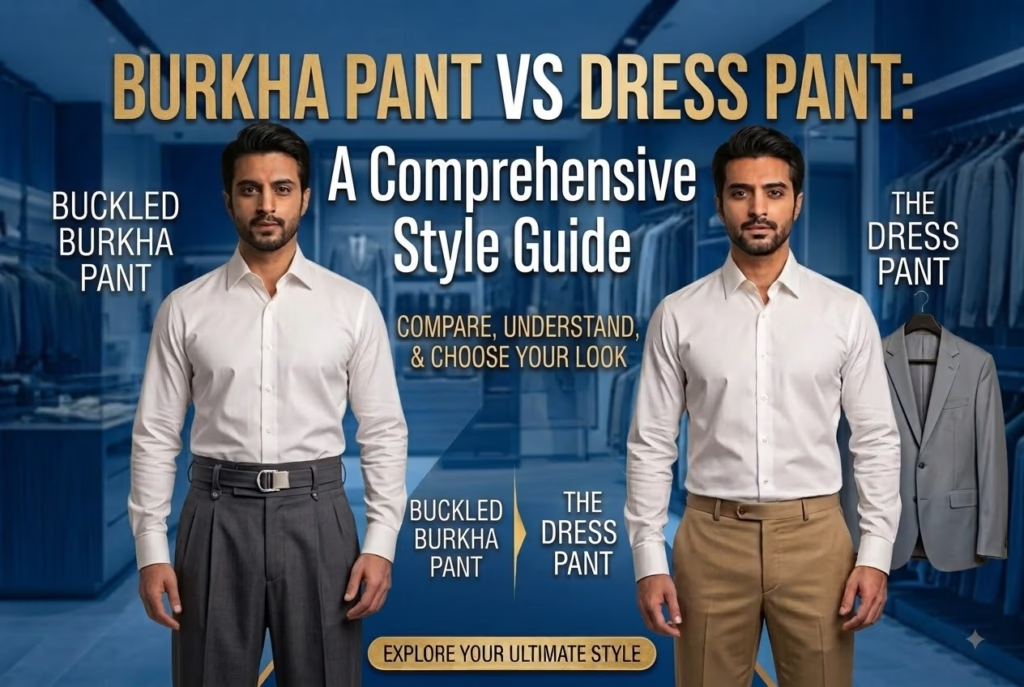
Choosing the right pair of trousers can completely change the way an outfit looks and feels. Today’s wardrobes offer more choices than ever, from relaxed silhouettes designed around comfort and modesty to precisely tailored trousers created for professional and formal settings.
Two styles that represent these different approaches are burkha pants and dress pants.
Although they serve different purposes, both can be stylish, practical, and appropriate when selected and styled for the right occasion. Burkha pants emphasize a flowing silhouette, coverage, and ease of movement, while dress pants focus on structure, clean lines, and a polished appearance.
Understanding the differences between them can help you make better decisions when building a versatile wardrobe—whether you’re dressing for everyday life, professional settings, cultural occasions, or formal events.
What Are Burkha Pants?
Burkha pants are loose-fitting trousers associated with modest fashion and flowing silhouettes. Their generous cut provides additional coverage around the hips, thighs, and legs while allowing comfortable movement.
Rather than closely following the body’s contours, the fabric falls naturally away from the body, creating an elegant and relaxed appearance.
Common characteristics include:
- A loose silhouette
- Generous room through the hips and thighs
- A comfortable waistband
- Slightly tapered or relaxed ankles
- Fluid fabric movement
- Optional embroidery or decorative detailing
Depending on the design, burkha pants can be styled with long shirts, kurtas, tunics, abayas, or contemporary modest tops. Their combination of comfort and coverage makes them particularly appealing for women who want modest clothing without sacrificing style.
What Are Dress Pants?
Dress pants, also known as formal trousers, are designed to create a polished and structured appearance.
They are commonly associated with professional wardrobes, business attire, and formal dressing.
Typical features include:
- A defined waistband
- Structured construction
- A tailored hip and thigh area
- Straight or tapered legs
- Flat-front or pleated designs
- Optional cuffs
- Sharp creases
Dress pants are generally made from fabrics that maintain their shape and create clean lines throughout the day. They can be paired with blazers, formal shirts, tailored tops, sweaters, and other sophisticated pieces to create anything from business attire to elegant evening outfits.
Burkha Pants vs Dress Pants: The Key Differences
| Feature | Burkha Pants | Dress Pants |
| Silhouette | Loose & flowing | Structured & tailored |
| Main Priority | Comfort & coverage | Polish & structure |
| Fit | Relaxed | Fitted or tailored |
| Movement | Excellent | Moderate to excellent |
| Best For | Modest & everyday styling | Business & formal wear |
| Styling | Kurtas, tunics, long tops | Blazers, shirts, tailored tops |
| Visual Effect | Flowing & elegant | Sharp & sophisticated |
The important point is that neither style is universally better. Each is designed to achieve a different aesthetic.
Fit and Silhouette: The Biggest Difference
The most noticeable distinction between the two styles is their silhouette.
Burkha Pants
Burkha pants allow fabric to flow naturally around the body. Their relaxed shape avoids emphasizing the contours of the hips and thighs, making them a popular option for modest dressing.
The result is a comfortable silhouette that feels elegant without being restrictive.
Dress Pants
Dress pants create a more defined silhouette.
They are typically cut closer to the body while still allowing sufficient room for movement. Precise tailoring around the waist, hips, and legs creates the clean lines associated with professional and formal dressing. For women who prefer a structured appearance, dress pants offer a more tailored alternative.
Choosing the Right Fabric
Fabric plays an important role in both appearance and comfort.
Fabrics for Burkha Pants
Because the silhouette relies on natural movement, fabrics with some fluidity work particularly well.
Popular choices include:
- Cotton blends
- Linen
- Lightweight woven fabrics
- Soft structured blends
The fabric should provide enough weight to create an elegant drape without becoming unnecessarily heavy.
For warmer climates, breathable materials can make burkha pants particularly comfortable for extended wear.
Fabrics for Dress Pants
Dress pants generally require fabrics capable of maintaining a crisp, refined shape.
Common options include:
- Wool
- Wool blends
- Cotton blends
- Linen blends
- Structured suiting fabrics
The right fabric depends on the season, setting, and desired level of formality.
When Should You Wear Burkha Pants?
Burkha pants are particularly versatile within modest and contemporary wardrobes.
They can work well for:
Everyday Wear
Their relaxed construction makes them comfortable for extended periods of wear.
Casual Gatherings
Pair them with a long tunic or elegant top for a refined but relaxed look.
Cultural Occasions
Burkha pants can complement traditional garments while maintaining a contemporary silhouette.
Modest Professional Dressing When paired with a structured long shirt or tailored tunic, they can create a polished professional appearance while maintaining a more relaxed fit.
When Should You Wear Dress Pants?
Dress pants are the natural choice when the occasion calls for structure and sophistication.
They are particularly suitable for:
Office Wear
Pair tailored dress pants with a formal shirt, blouse, or blazer for a professional appearance.
Business Meetings
A well-fitted pair of trousers communicates confidence and attention to detail.
Formal Events
Dress pants can be paired with an elegant tailored top or blazer for sophisticated evening dressing.
Professional Social Events They provide a polished foundation that can easily be elevated with accessories and formal footwear.
Styling Burkha Pants
One of the biggest advantages of burkha pants is their compatibility with different types of tops.
Try pairing them with:
- Long kurtas
- Tailored tunics
- Elegant blouses
- Longline shirts
- Abayas
- Structured waistcoats
For a balanced silhouette, consider pairing the volume of the pants with a more structured upper layer.
For a more traditional appearance, choose subtle embroidery or textured fabrics.
For contemporary styling, keep the outfit monochromatic and allow the flowing silhouette to become the focal point.
Styling Burkha Pants
One of the biggest advantages of burkha pants is their compatibility with different types of tops.
Try pairing them with:
- Long kurtas
- Tailored tunics
- Elegant blouses
- Longline shirts
- Abayas
- Structured waistcoats
For a balanced silhouette, consider pairing the volume of the pants with a more structured upper layer.
For a more traditional appearance, choose subtle embroidery or textured fabrics.
For contemporary styling, keep the outfit monochromatic and allow the flowing silhouette to become the focal point.
Styling Dress Pants
Dress pants provide an excellent foundation for sophisticated outfits.
For a professional look, pair them with:
Dress pants + formal shirt + blazer
For a softer business-casual appearance:
Dress pants + tailored blouse + minimal accessories
For evening wear:
Dress pants + elegant top + statement accessories
The versatility of dress pants comes from their clean silhouette. They can be dressed up or down simply by changing the accompanying garments and accessories.
Comfort: Which One Wins?
If maximum freedom of movement is your priority, burkha pants generally have the advantage.
Their loose construction reduces restriction around the thighs and knees and allows the fabric to move naturally.
Dress pants can also be highly comfortable when correctly tailored. Modern suiting fabrics and thoughtful construction allow for considerably more movement than older, rigid styles.
Ultimately, fit matters as much as garment design. A poorly fitted pair of dress pants can be uncomfortable, while expertly tailored trousers can feel surprisingly easy to wear throughout the day.
Modesty and Personal Style
Burkha pants occupy an interesting space between traditional modest dressing and contemporary fashion.
Their flowing silhouette allows women to maintain greater coverage while still experimenting with:
- Colour
- Fabric
- Embroidery
- Layering
- Accessories
- Modern proportions
Dress pants, meanwhile, offer a more conventional tailored aesthetic and are particularly useful when professional dress codes call for structured clothing. The right choice ultimately depends on personal preference, lifestyle, and the environment in which the garment will be worn.
Custom Tailoring Makes a Difference
Whether choosing burkha pants or dress pants, tailoring can significantly improve the final appearance.
For burkha pants, custom tailoring allows the wearer to control:
- Waist fit
- Pant volume
- Length
- Ankle opening
- Fabric drape
For dress pants, precise tailoring can refine:
- Waist measurement
- Rise
- Hip and thigh fit
- Leg width
- Trouser length
- Crease placement
These details may seem small, but they determine whether trousers look merely acceptable or genuinely elegant.
Building a Versatile Women’s Trouser Wardrobe
You don’t necessarily have to choose one style.
A versatile wardrobe can benefit from both.
Consider keeping:
A classic pair of dress pants for business meetings, office wear, and formal occasions.
A neutral pair of burkha pants for modest everyday styling and cultural occasions.
A darker tailored trouser for evening events.
A lighter flowing pair for warmer weather and relaxed daytime wear. Having different silhouettes allows you to dress according to the occasion without compromising personal style.
Frequently Asked Questions
Are burkha pants the same as harem pants?
Not necessarily. While both can have loose silhouettes, burkha pants are generally associated with modest styling and can have a more refined, tailored appearance. The exact design varies between brands and regions.
Are dress pants suitable for modest fashion?
Yes. Dress pants can be styled as part of a modest wardrobe when paired with longer shirts, tunics, blazers, or other coverage-focused pieces.
Which is more comfortable: burkha pants or dress pants?
Burkha pants generally offer more freedom around the legs because of their looser construction. However, well-tailored dress pants can also be highly comfortable.
Can burkha pants be worn to formal events?
Yes, depending on their fabric, construction, and styling. A premium pair in an elegant fabric can work for sophisticated cultural or social occasions.
What is the best fabric for dress pants in warm climates? Lightweight wool blends, linen blends, and breathable cotton-based suiting fabrics can provide a good balance between structure and comfort.
Final Thoughts
Burkha pants and dress pants represent two different approaches to modern women’s fashion.
Burkha pants emphasize flowing comfort, coverage, and modest elegance, making them particularly useful for everyday wear, cultural occasions, and relaxed modest styling.
Dress pants emphasize structure, precision, and sophistication, making them an essential choice for professional environments, business meetings, and formal occasions.
Rather than choosing one style exclusively, a well-planned wardrobe can benefit from both.
The most important consideration is not simply the shape of the trousers, but how well they fit, how appropriate they are for the occasion, and how confidently they reflect your personal style.
At Yahya G, we believe exceptional tailoring should make every garment feel personal. Through careful fabric selection, precise measurements, and attention to proportion and finishing, custom tailoring can transform both relaxed and structured trousers into garments that feel comfortable, refined, and distinctly yours.Visit Yahya G at Shop #237, 2nd Floor, Dolmen Center, Tariq Road, Karachi, or contact us on WhatsApp at 0312 525 4264 to discuss your custom tailoring requirements.